Dedicated physical nodes, on demand

Rent a Mac
in the cloud
and release it when you're done.

From $20.9/day, for iOS/macOS development, automated builds, testing, and Apple Silicon inference experiments.

Confirm the model, rental period, location, and add-ons before ordering. All orders are billed in USD. Payment is limited to USDT-TRC20 and Visa / Mastercard / Amex (via Stripe).

$20.9/day and up
Rent a cloud Mac

Choose a model, period, and location · The console returns available combinations in real time

Dedicated physical machine 6 available locations Day / week / month / quarter
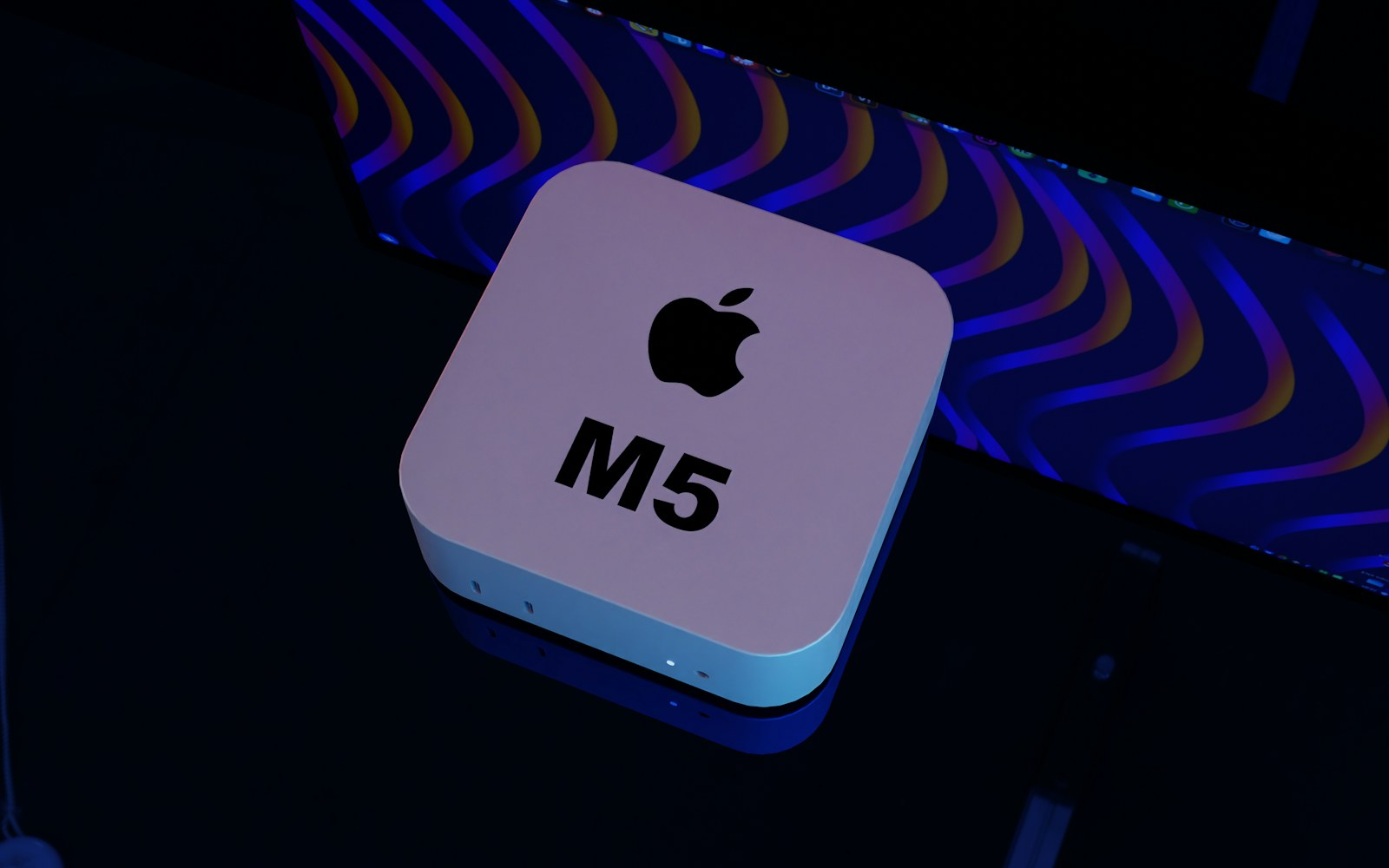
Mac mini unit on a dark desk HopVM node map connecting Singapore, Tokyo, Seoul, Hong Kong, the US East Coast, and the US West Coast
Recommended location SG · SINGAPORE Good availability
hopvm / sg-01 / zsh
local % ssh dev@mac.example Host fingerprint verified · node sg-01 hopvm % xcodebuild -scheme App -configuration Release Resolve Package Graph · CompileSwiftSources ** BUILD SUCCEEDED ** hopvm % bundle exec fastlane beta [fastlane] Signing archive and exporting IPA ✓ Artifact saved: build/App.ipa process completed · exit code 0
The short version: this is a cloud Mac, not a virtual machine.
Dedicated physical machineCompute, memory, and storage are not shared with other orders
Built for developmentFor iOS/macOS, CI/CD, inference, and media processing
Project-based usageNo upfront purchase or long-term idle hardware for short tasks
Pricing at a glance

Three configurations,
with every period clearly priced.

From lightweight builds to memory-intensive inference, the catalogue includes only these three configurations. All amounts are in USD. The console returns locations and add-ons for the selected model in real time, so no unconfirmed fees are shown.

Light builds

HopVM M4 16

M4 · 16GB · 256GB

$20.9/day and up
Weekly$56.4
Monthly$104.5
Quarterly$284.2
  • Light Xcode builds and basic validation
  • For single projects and short tasks
  • All six available locations
Rent HopVM M4 16
Heavy workloads

HopVM M4 Pro 64

M4 Pro · 64GB · 2TB

$60.2/day and up
Weekly$162.4
Monthly$300.8
Quarterly$818.2
  • Large-memory model inference experiments
  • Heavy builds, transcoding, and rendering
  • All six available locations
Rent HopVM M4 Pro 64

Add-ons follow the same rental period: +1TB SSD costs $2.4/day, $6.5/week, $12.1/month, or $32.9/quarter; +2TB SSD costs $4.8/day, $13/week, $24.2/month, or $65.8/quarter; Thunderbolt 5 linking costs $1.6/day, $4.3/week, $7.9/month, or $21.5/quarter per machine.

View full pricing and add-ons
Locations across time zones

Six locations across
APAC and North America.

All three configurations are available in Singapore, Japan (Tokyo), South Korea (Seoul), Hong Kong, the US East Coast, and the US West Coast. Compare network paths, repository locations, and the hours when jobs run before choosing a location.

Connections between HopVM locations in Singapore, Tokyo, Seoul, Hong Kong, the US East Coast, and the US West Coast
SingaporeSG · Good availability
Japan (Tokyo)JP · Good availability
South Korea (Seoul)KR · Good availability
Hong KongHK · Good availability
US East CoastUS-E · Good availability
US West CoastUS-W · Good availability

Models × locations

All 18 catalogue combinations are normally available to order. Actual availability comes from the console in real time.

Model SG JP KR HK US-E US-W
HopVM M4 16 Good availability Good availability Good availability Good availability Good availability Good availability
HopVM M4 24 Good availability Good availability Good availability Good availability Good availability Good availability
HopVM M4 Pro 64 Good availability Good availability Good availability Good availability Good availability Good availability

Sample latency results

Use samples to narrow the choice, then test again from your team's actual network. Distance on a map is not enough.

Test city SG JP KR HK US-E US-W
Shanghai 68ms 46ms 51ms 39ms 194ms 148ms
Tokyo 73ms 11ms 34ms 54ms 168ms 101ms
Singapore 9ms 72ms 83ms 37ms 231ms 176ms
Los Angeles 179ms 106ms 129ms 151ms 72ms 18ms

Test date: current location sample batch; public internet, 20 samples per path. Values shown are P50. P95 varies with carrier routing and local egress and is provided for location selection only.

See the full test methodology, cross-time-zone collaboration guidance, and details for all six locations on the locations page.

View locations and latency methodology
Reproducible workflows

Start with one measurable
real-world task.

Do not start with industry labels or vague performance claims. Define the commands, inputs, outputs, duration, and resource peaks. Run one baseline task before choosing a configuration and rental period.

Git → Xcode → Archive

Indie developers

Pull the code from Git, verify dependency lockfiles and the Xcode version, then build, test in the simulator, sign, archive, and export the artefacts. For short validation cycles, start with the daily HopVM M4 16 plan.

Queue → Build → Deliver

CI teams

Trigger xcodebuild and fastlane in parallel through a queue, while retaining exit codes, redacted logs, and build artefacts. Scale up for peak workloads by the week; compare monthly or quarterly periods for continuous pipelines.

Model → Memory → Throughput

AI experiments

Prepare the model and runtime, then record unified-memory peaks, first-run duration, sustained throughput, and the output path. HopVM M4 Pro 64 is designed for local inference with large models and multi-model comparisons.

Upload → Render → Export

Audio and video workflows

Upload your media, transcode or render it, verify the encoding settings, duration, and file integrity, then download the finished output. If your media exceeds the base capacity, select the available storage add-on for the same rental period.

A useful test task should record the input version, command, exit code, duration, memory peak, and output path. That is how you tell whether a difference comes from the configuration, project, or network.

View all four workflows
Usage boundaries

Dedicated resources do not mean
ignoring access and handoff.

Once delivered, the machine's compute, memory, and storage are dedicated to the current order. Access credentials, background jobs, code, and artefacts still need to follow your team's rules. Define who can connect, when handoff happens, and what must be exported before the rental ends.

RESOURCE MODE · DEDICATED

Resources stay with your order

CPU, memory, and storage are not shared with other orders. Use the confirmed chip, memory, and capacity from one of the three configurations rather than advertised figures for a shared environment.

ACCESS · VERIFY FINGERPRINT

Verify remote access first

Retrieve access details from the console and verify the machine status, account, location, and host fingerprint. Record the result on the first connection. Do not save credentials on public devices or submit complete keys in support requests.

LEASE END · EXPORT FIRST

Export and clean up first

Stop background jobs, export the required artefacts, remove temporary tokens and controlled credentials, then confirm the handoff record. When the rental ends, the machine is released from the project, so migrate anything you need in advance.

What to record in the console

Keep the order ID, actual location, issue time and time zone, last known good time, reproduction steps, and redacted error output. These details can be used directly when investigating connection or machine issues.

View troubleshooting and support template
Choosing a configuration

Choose by resource peaks
and workload duration.

Run a baseline with the smallest suitable task first. Memory peaks, base storage, parallelism, and duration are more useful than configuration names. Check the available add-ons if you need more capacity.

Use case → Resources → Recommendation

Start with the lowest configuration that can complete the task, then decide whether to upgrade after one complete run.

Light builds
Single project, short validation, low parallelism
16GB / 256GB HopVM M4 16
Daily development
Xcode, multitasking, and parallel continuous builds
24GB / 512GB HopVM M4 24
Large-model inference
High memory, heavy builds, or large media tasks
64GB / 2TB HopVM M4 Pro 64

Rental, ownership, and shared environments

Compare delivery models and resource boundaries instead of replacing project estimates with broad cost claims.

Comparison Dedicated physical machine rental Buy hardware Shared virtual machine
Upfront cost Pay for the selected period Purchase the equipment first Pay by the platform's period
Delivery path Confirm the combination in the console Purchase, receive, and deploy Resources assigned by the platform
Resource isolation Dedicated Dedicated Shared
Upgrade flexibility Switch between three configurations Buy or modify equipment again Limited by the platform catalogue
99.9%Target service availability
Last 90 days at a glance

Daily status records, with clear incident closure criteria.

All locations operate normally year-round, 365 days a year. The status page shows daily availability and closed incidents. Yellow segments indicate closed incidents only; they do not mean the service is currently unavailable or predict order availability.

90 days agoNormal / closed incidentToday

If availability falls below the commitment, submit a compensation claim under the conditions, evidence requirements, and application period set out in the service terms. Include the order ID, affected location, time range, and reproducible records.

View incidents and claim criteria
Engineering notes

Automation, migration, inference,
and cost planning.

Each article starts with commands, data, and limitations before explaining where the approach applies. Once published, the latest article appears in the feature slot, with the rest arranged in a three-column grid.

Before you order

Questions we hear often.

For questions about an existing order, connection records, or machine status, sign in to the console and submit a support request so it can be linked to the relevant resources.

Is HopVM a virtual machine?

No. HopVM provides remotely accessible cloud Macs on physical nodes, with compute, memory, and storage dedicated to each order. The confirmed chip, memory, storage, and location are shown in the order details.

What is the shortest rental period?

Daily, weekly, monthly, and quarterly rentals are available. The entry-level HopVM M4 16 costs $20.9/day, $56.4/week, $104.5/month, or $284.2/quarter, making it suitable for a reproducible short-term validation.

Which payment methods are supported?

Only USDT-TRC20 and Visa / Mastercard / Amex (via Stripe) are supported, and all orders are billed in USD. The gateway available for a specific order is determined by the console.

Which location should I choose?

Compare measured latency for your main users, the locations of code repositories and dependency sources, CI trigger times, and data-handling requirements. Available locations are Singapore, Japan (Tokyo), South Korea (Seoul), Hong Kong, the US East Coast, and the US West Coast.

What should I prepare before connecting for the first time?

Check the location status, access details, account, and connection method in the console first, then verify your local network egress and system time. Verify the host fingerprint on the first SSH connection, and do not save credentials for graphical sessions on public devices.

What should I do before the project ends?

Export required artefacts, stop background jobs, remove temporary credentials, and confirm the machine status. Back up and migrate your code, keys, model files, and build artefacts yourself rather than waiting until the rental ends.

Start a measurable project cycle

Rent a Mac when you need one. Release it when the work is done.

Choose HopVM M4 16, HopVM M4 24, or HopVM M4 Pro 64, then select a daily, weekly, monthly, or quarterly rental and one of six locations: Singapore, Japan (Tokyo), South Korea (Seoul), Hong Kong, the US East Coast, or the US West Coast. All orders are billed in USD.